
If you've ever typed "film catering" into Google when what you really wanted was someone to keep the coffee coming at 6am, you're in good company. We regularly get enquiries that ask for "catering" and mean craft, or ask for "craft" and mean lunch.
So here's our plain-English guide for line producers, production managers and coordinators. We're Emily and Graham, and we've been running craft services on UK sets since 2009, so we've seen this mix-up from every angle, usually from behind a coffee machine.
Film catering, often called unit catering, is the hot meals side of the day. A unit caterer usually arrives with a kitchen truck and a dining bus, cooks breakfast before call, serves a proper lunch at the scheduled break and, on long days, food for the late break. It runs to a timetable that the ADs set, and it happens at unit base, which can be a fair walk from where you're actually shooting.
When people ask "what is catering on set called?", the answer is usually "unit catering" or just "catering". It's the department that feeds everyone a plate of food.
What is craft services?
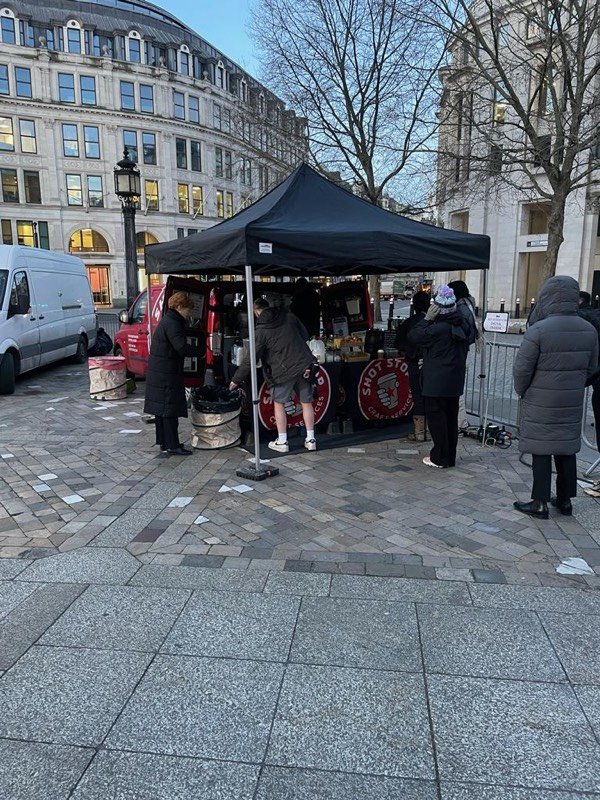
Craft services, or "crafty", is everything between the meals: coffee, tea, water, snacks, fruit, something savoury mid-morning and something sweet after lunch to get everyone through the afternoon slump. It's always on, from before crew call until the last person leaves, and it sits as close to set as the location allows.
If you want the long version, we've written our full guide to craft services. The short version: catering typically serves meals requiring cutlery, crafty doesn't.
What's the difference between craft services and catering on a film set?
The simplest way we can put it:
Unit catering feeds people at set times. Breakfast, lunch, maybe a late break. Hot food, plated or buffet, usually at base.
Craft services keeps people going in between. Drinks and sometimes snacks when budgets afford, all day, close to the action, with a crafty team topping it up.
They're separate jobs with separate budgets, and on most drama shoots separate suppliers. On a small commercial you might only need one, which is where the confusion starts.
Does craft services include meals?
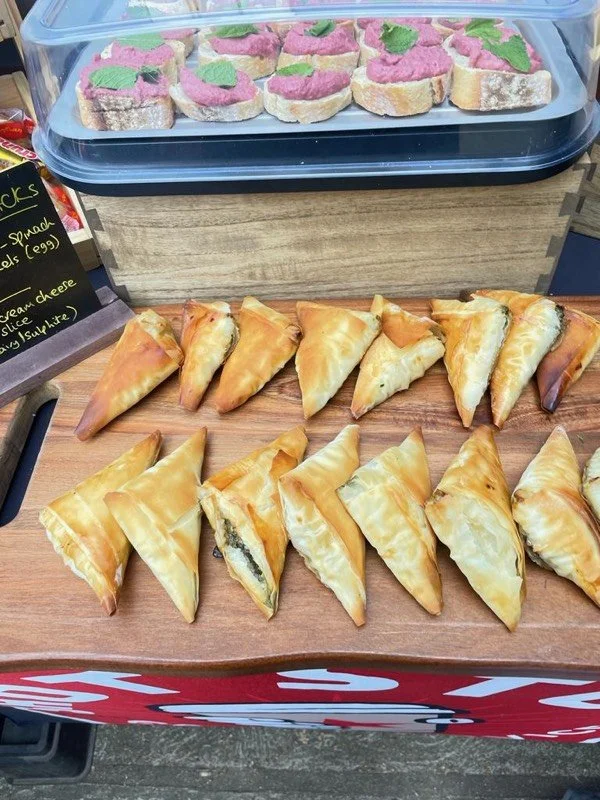
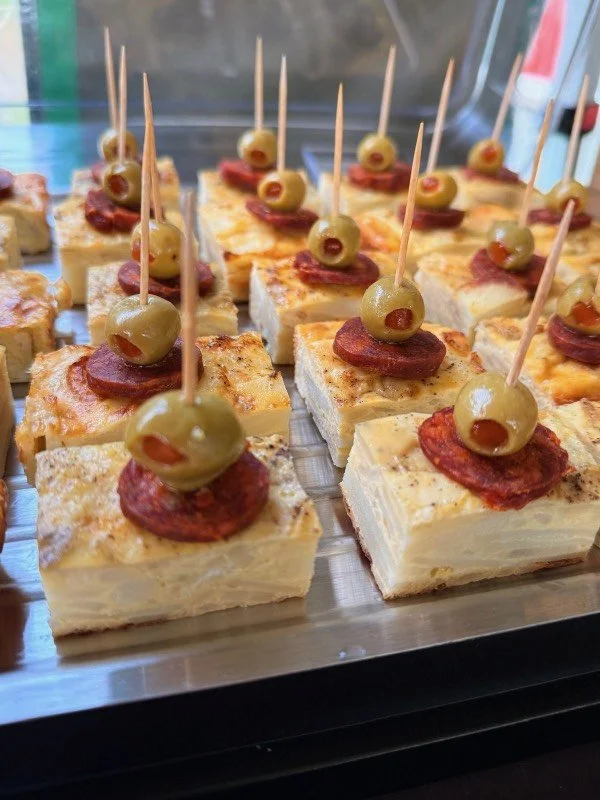
Usually not. Craft is about snacks and drinks, not plated meals. That said, crafty has come a long way from a tea urn and a packet of biscuits. On longer shoots we run grazing tables: hand-made sweet and savoury bites, hot and cold, replenished throughout the day so there's real choice and variety. On a long night shoot, a hot snack from the pie warmer in our van Sonny can feel like a meal. But if your crew needs a proper lunch, you need a caterer as well, and we'll happily work alongside yours.
When do you need unit catering, craft services, or both?
Roughly, on the jobs we see:
One-day commercial, small crew, short day: often craft only. Good barista coffee, snacks, and lunch brought in or sorted by production. Many of our commercial bookings are coffee-only, with snacks added on request.
Longer commercial or music video: usually craft plus a caterer, or craft plus a lunch drop.
TV drama or feature: both, almost always. Catering handles the meals, craft keeps the set fuelled between them. On long runs this is where variety really matters. We ran grazing tables for 14 weeks on Elden Ring, and the trick on a long job is making sure week ten doesn't taste like week one.
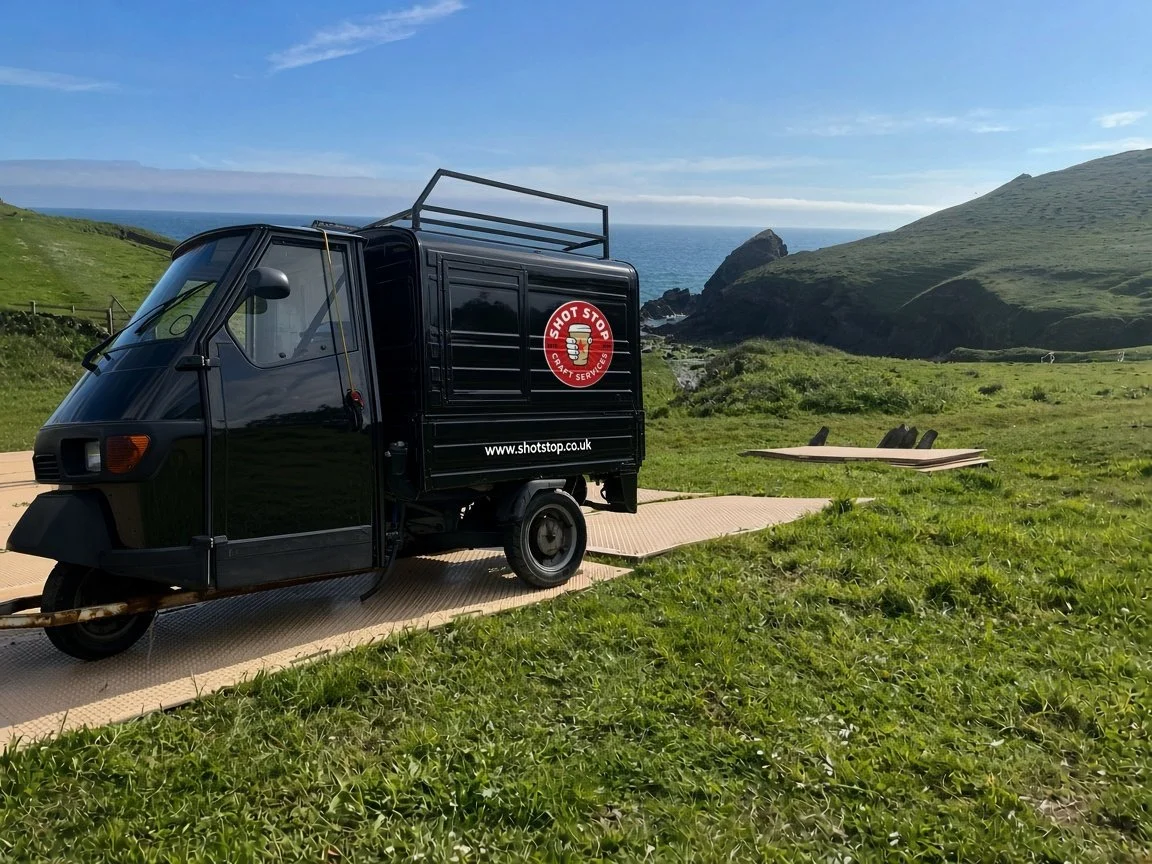
Remote or awkward locations: craft becomes even more important, because nobody can nip to a café. This is why we built Shot Stop around small vehicles. Our Mercedes Vito vans, Scarlett and Sonny, and Caesar, the Piaggio Ape who arrives on a trailer and can be pushed into place by hand, can often set up much closer to set than a big truck. Less walking to the coffee means less time off set.
How do craft services and catering work together?
Best case, you barely notice the join. Catering does the meals, craft fills the gaps, and both teams talk to the ADs. A few things help:
Share the schedule with both. Call times, meal breaks, company moves. If the day shifts, tell both teams.
Agree who covers what. Breakfast rolls at crafty or at the dining bus? Who covers the late break on an overrun? Agree it before the first day, not during it.
One dietary list, shared. Both departments should be working from the same dietary requirements, so a crew member who's coeliac doesn't have to explain themselves twice.
What should a film set menu include for dietary requirements?
This is one of the most common questions we see, and rightly so. On any set you'll have vegetarians, vegans, people avoiding gluten or dairy, and people with allergies. Dietary options should be there as standard, labelled clearly, and just as good as everything else on the table, not a sad rice cake in the corner.
At Shot Stop, oat, coconut and soya milks sit alongside dairy, and vegan and gluten-free options are included every day. We run a nut-free service: we don't keep nuts in stock and we check supplier labels. Some of our snacks are made in external kitchens and may contain traces of other allergens, so we always have allergen information to hand and anyone with a specific allergy can ask the team on duty.
What to ask a craft services or catering supplier before you book
Whoever you speak to, these questions will tell you a lot:
What exactly is included? Coffee only, snacks, grazing tables, hot food? Write it down.
How close to set can you get? Vehicle size, access, and whether they can go indoors if vehicles can't.
Do you need power and water? Self-powered set-ups matter on remote locations or before site power is on.
How do you handle dietary requirements and allergens? Listen for a clear, honest answer, not a vague "we can do anything".
What's your food hygiene rating and training? Ask for their rating and check the team's food hygiene certificates.
How long is a standard day? Ours is eight hours of service plus a one hour break, and productions can add hours when they’d prefer us to stay longer.
What about sustainability? If you're working towards albert certification, ask about cups, milk, waste and vehicle emissions.
What notice do you need? For us, anything with snacks needs at least 48 hours, because it's all prepared fresh to order.
A few extras crews love
A bit of welfare goes a long way, especially in winter. On long-running jobs we bring Starlink Wi-Fi, which earns its keep in places where the phone signal gives up. And this time of year we're serving a lot of the Shot Stop Sling, our lemon, ginger, chilli, mint and honey pick-me-up that comes as standard in our barista packages. Crews have started asking for it by name, which we're taking as a compliment. Matcha and hot chocolates are on the menu too, and at this time of year they're flying out.
Frequently asked questions
Is craft services the same as catering?
No. Catering serves scheduled meals, usually at unit base. Craft services provides drinks and snacks all day, close to set. Most productions of any size have both.
What does craft services provide on a UK film set?
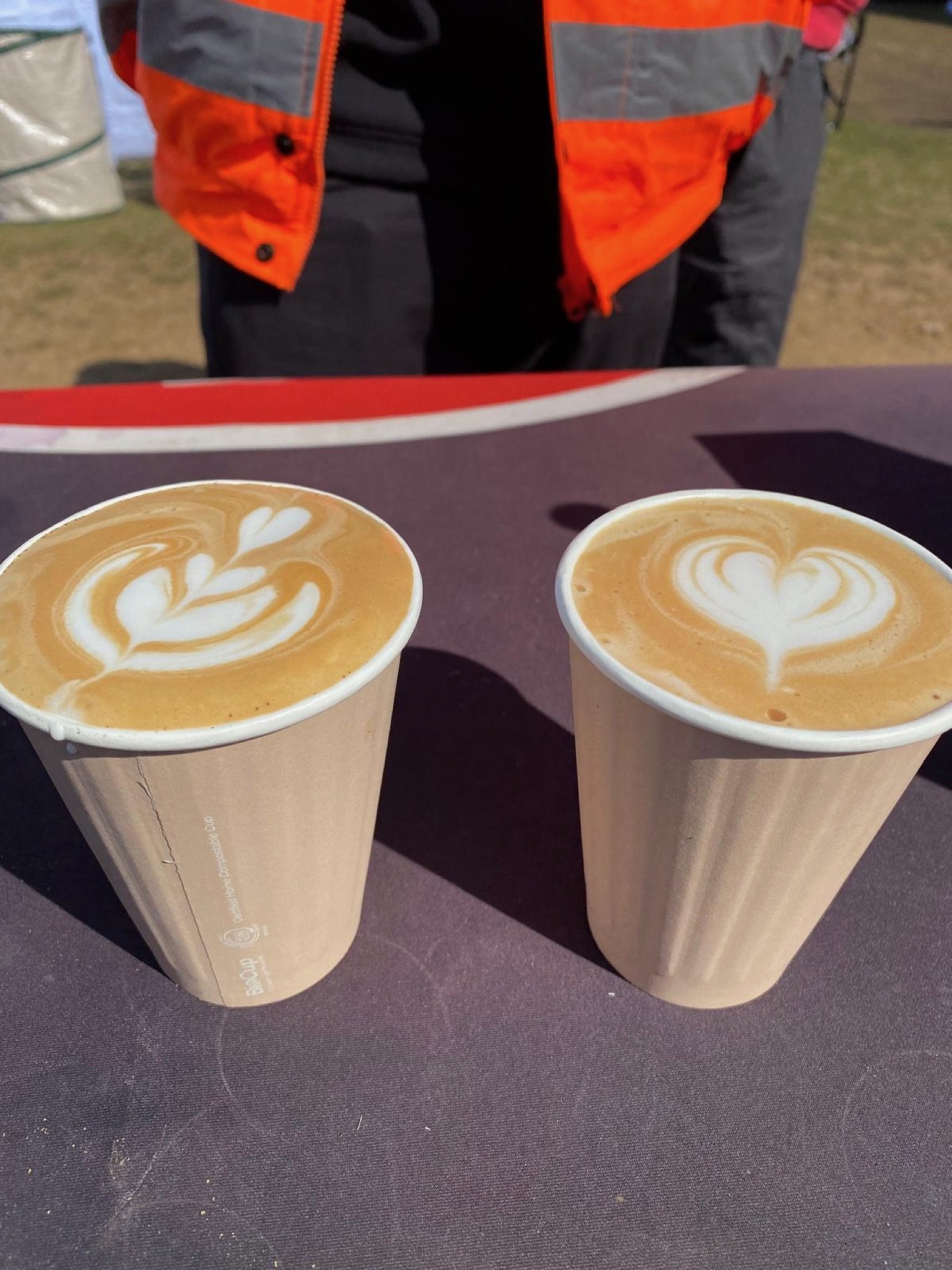
Typically barista or urn coffee, tea, matcha, hot chocolate (very popular in winter), water, fruit, breakfast pastries, savoury snacks mid-morning and sweet treats in the afternoon, with dietary options throughout. On longer shoots that can grow into full grazing tables.
How do film crews arrange catering for a day shoot?
For a one-day shoot, production usually books a caterer or a lunch drop for the meal break, plus craft for coffee and snacks through the day. On short commercial days, craft on its own is often enough.
Can I hire craft services for a one-day shoot?
Yes. We are regularly booked for one-day commercials, often coffee only with snacks on request. Send us the date, location and crew size and we'll let you know what we can do.
Planning a shoot?
If you're putting a schedule together and want to talk it through, drop us a line at enquiries@shotstop.co.uk or use our contact page. Tell us the dates, the location and roughly how many crew, and we'll put together a quote that fits your shoot.
Emily and Graham, Shot Stop Craft Services